
Road Transport Workforce Development
Road transport businesses see the workforce issues first. The gaps in training, the difficulty finding the right people, the pressure to retain them, and the challenges that vary between regions, freight sectors and business sizes.
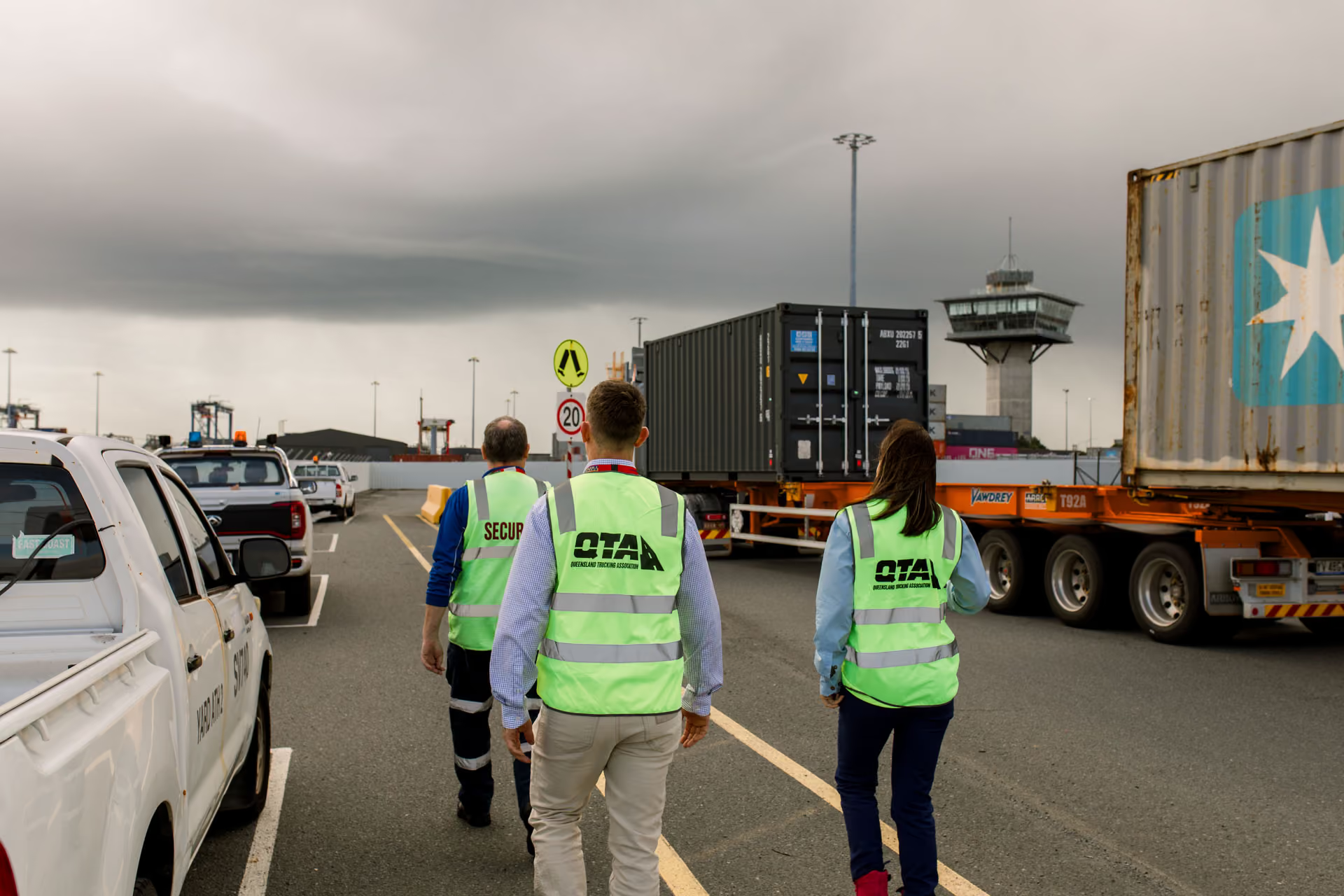
Workforce pressure looks different across road transport
A courier business in Brisbane, a livestock carrier in regional Queensland a tour bus company and a refrigerated freight operator do not have the same workforce needs.
The roles, training requirements, licensing demands and recruitment challenges can shift depending on the type of freight, where the business operates and the skills already available in the local workforce.
That is why broad industry assumptions are not enough. Queensland Trucking Association through Transport Workforce Futures is here to better understand what road transport businesses are actually dealing with, from skills gaps and training access to attraction, retention and future workforce planning.
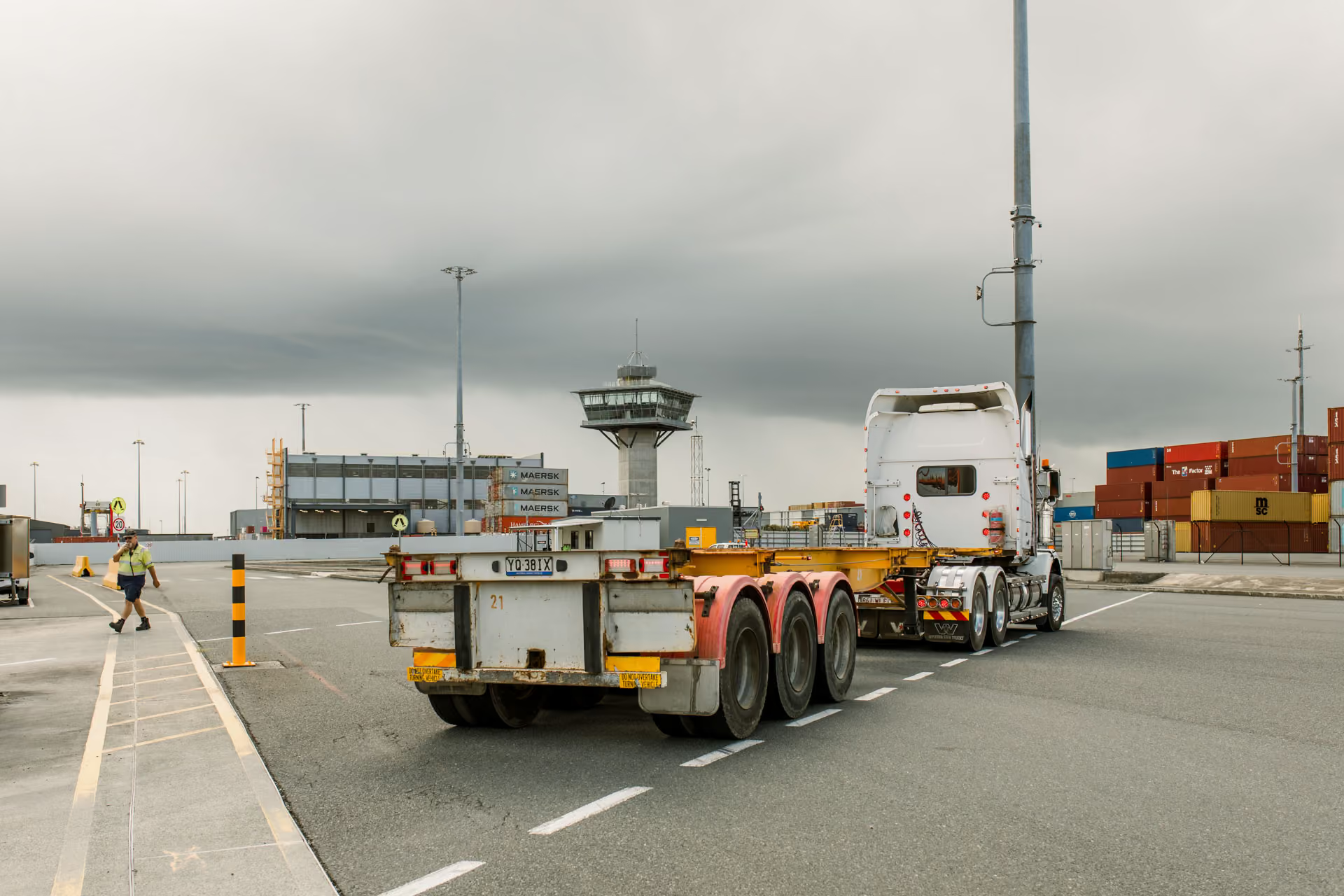
Road transport is not one single workforce story
The road transport sector covers different freight types, business sizes and operating conditions. A useful picture of workforce needs has to include more than one perspective.
Different freight types
Fuel carriers, livestock transport, refrigerated freight, courier work and general freight each bring different training, licensing and workforce needs. Your experience helps show where those differences matter.
Different business sizes
Small operators and larger businesses often face different barriers when it comes to recruitment, training access, workforce planning and using available funding. Both perspectives are needed.
Different regions
Regional operators can face different workforce pressures to metro businesses, especially around access to training, availability of skilled workers and the cost of getting people job-ready.
Training that fits the work
Training only works when it matches the roles, conditions and skills needed in the industry.
For road transport, that can mean different things depending on the work being done. A new driver, a livestock transport operator, a fuel carrier and a regional freight business may all need different support to build and retain a capable workforce.
By sharing what you are seeing in your business or sector, you can help TWF build a clearer picture of where training is useful, where it is hard to access, and where the current system may not be keeping up with industry needs.

Key workforce issues in road transport
The most useful input is specific. Transport Workforce Futures is looking to understand the workforce and training issues that affect road transport businesses in practical ways, from who you can hire to how easily your team can access the right training.

Skills gaps
Where are businesses struggling to find the skills they need? This may include entry-level roles, specialist freight work, compliance requirements, or people ready to step into more senior roles.

Training access
Training may exist, but that does not always mean it is easy to access. Location, timing, cost, course availability and business disruption can all affect whether training is realistic.

Funding awareness
Some employers may not know what funding or support is available, while others may find it difficult to understand or use. These barriers are important to identify.

Future workforce needs
Road transport is changing. Input from operators can help show what skills, roles and workforce support may be needed as demand, technology, freight patterns and business conditions shift.
Road transport news & articles

Help shape the future of transport skills in Queensland
Sign up to stay informed on industry updates, workforce initiatives, training opportunities and government engagement across Queensland’s transport sectors.
