
Logistics Workforce Development
Logistics keeps Queensland’s supply chain moving. From warehouses and distribution centres to freight hubs, dispatch teams and supply chain systems, the sector depends on people with the right skills, training and support.
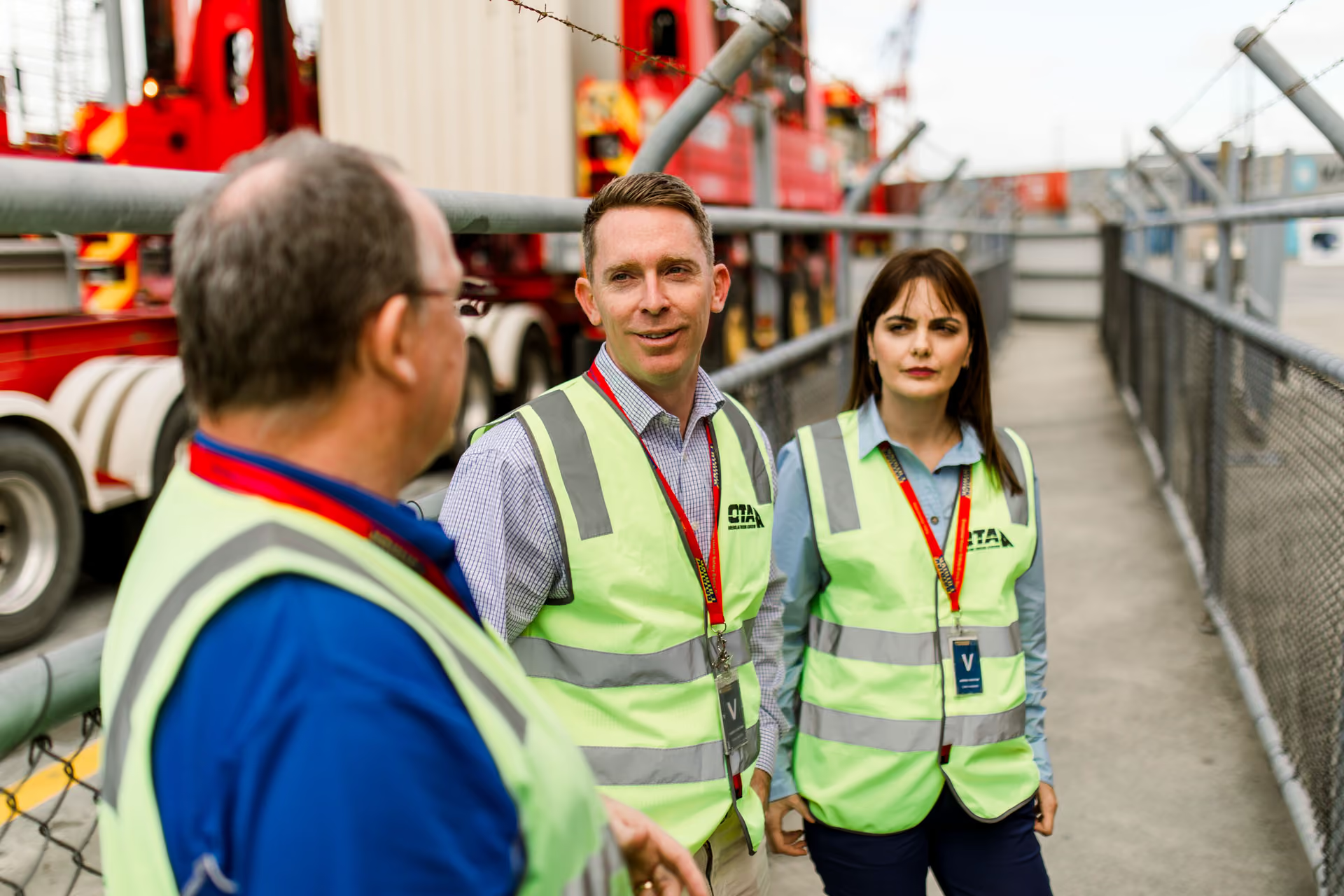
Keeping the supply chain moving
Logistics teams make sure goods reach the right place at the right time. Across warehousing, distribution, dispatch, inventory control and transport coordination, every role plays a part in keeping businesses, communities and freight networks moving.
We want to hear from people working across logistics and supply chain operations about the workforce challenges they are seeing every day. This includes staff retention, training access, changing technology, workplace systems, career pathways and the skills needed to support future growth.
Your insight helps TWF understand where support is needed, where the sector is already performing well, and how workforce planning can better reflect the reality of logistics operations.
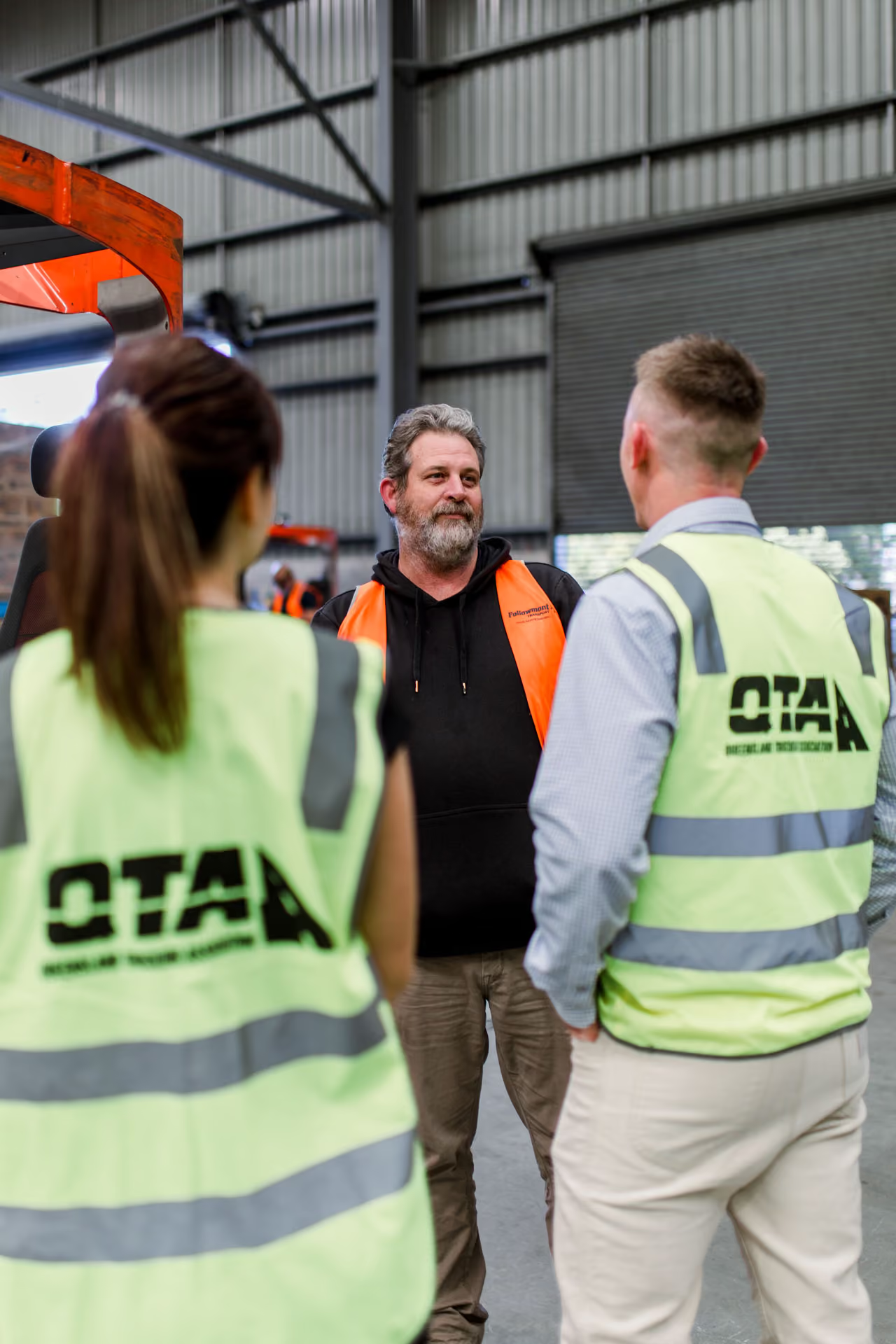
The people behind the operations
Logistics depends on teams working together across multiple hubs, modes and processes. Every role is important to keeping freight on time and businesses running smoothly.

Operations coordinators
Plan schedules, manage freight movements, coordinate teams and help goods move efficiently through warehouses, transport hubs and distribution networks.

Supervisors and team leads
Support frontline teams, manage daily workflows, maintain safety standards and help operations stay on track during busy periods.
Frontline operators
Carry out receiving, picking, packing, stock handling, dispatch and loading tasks that keep goods moving through the supply chain.
Technology and logistics support
Use tracking systems, warehouse management software, data tools and emerging technology to improve visibility, accuracy and operational performance.
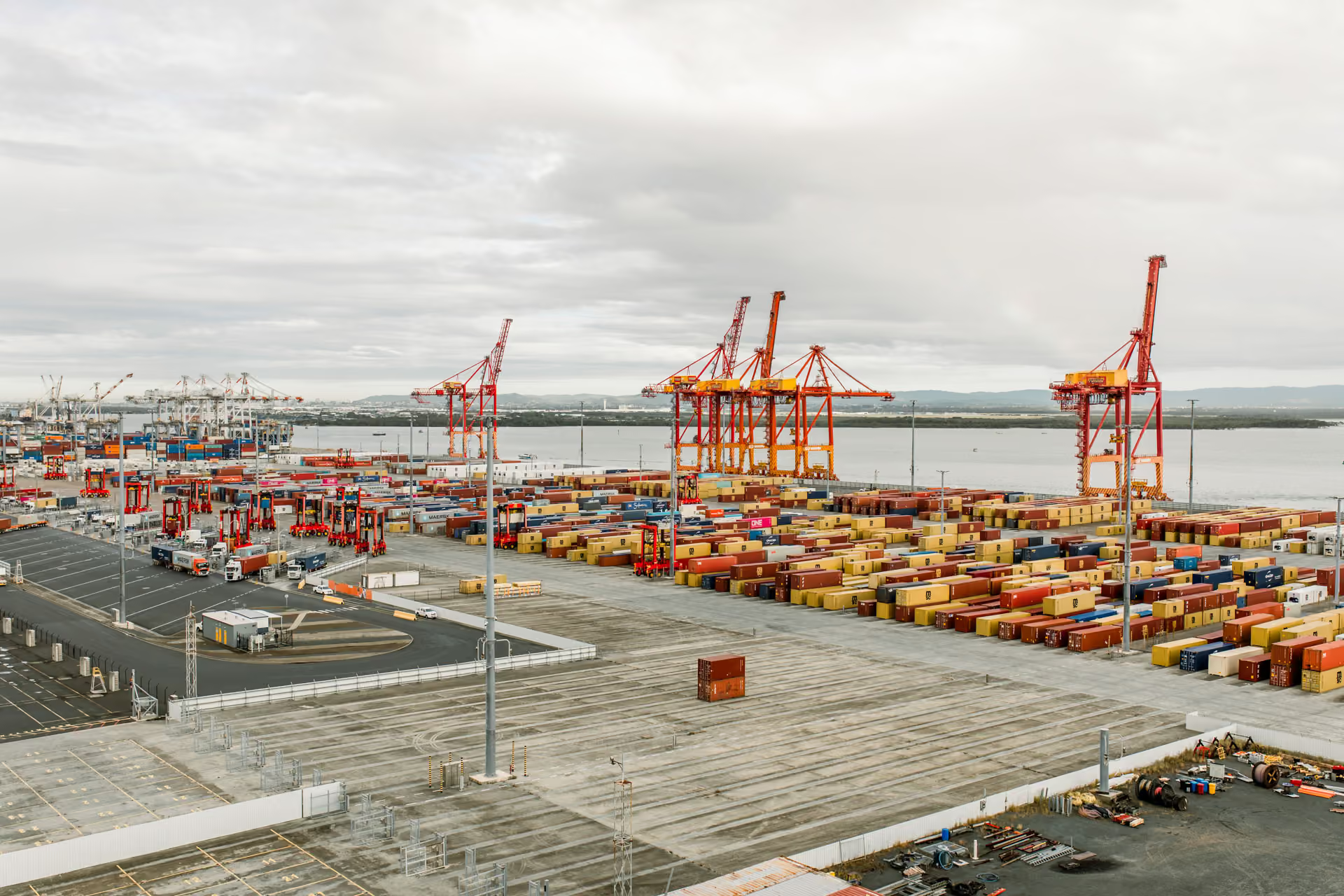
Where logistics input adds value
Data can show where workforce pressures exist, but it does not always explain what is happening on the ground. Logistics employers, workers and training providers see where staffing, training, systems and technology are making a difference every day. Transport Workforce Futures is seeking practical insight from the logistics sector to better understand current challenges and future workforce needs.
Operational pressures
Training and pathways
Future workforce planning
News & articles

Help shape the future of transport skills in Queensland
Sign up to stay informed on industry updates, workforce initiatives, training opportunities and government engagement across Queensland’s transport sectors.
