
Aviation Transport
Aviation transport depends on people with the right skills, training and experience across a wide range of roles.
Transport Workforce Futures gives Queensland Aviation transport and aviation stakeholders a way to share what they are seeing in the sector, from training access and skills gaps to future workforce needs.
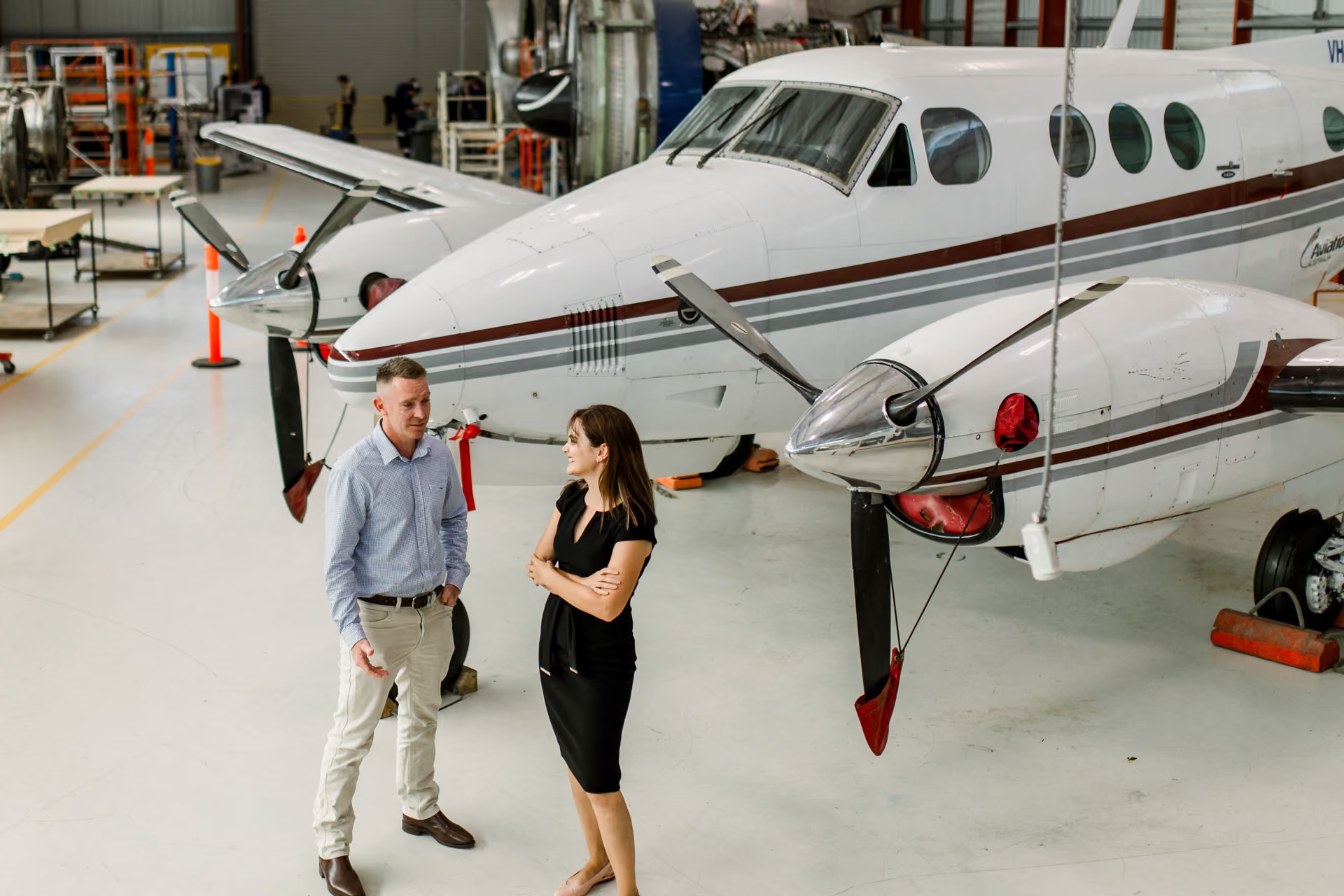
Building capability across Aviation transport
Aviation transport relies on teams working together across operations, technical support, logistics, and customer services. Transport Workforce Futures is gathering insight into how these roles interact, where operational pressures appear, and what support is needed to keep crews and support staff skilled and available across Queensland.


Aviation transport depends on connected roles
Aviation transport is not supported by one type of worker. It relies on people across operations, logistics, technical support, customer-facing roles, administration, training and compliance.
Frontline operations
Technical and compliance support
Logistics and coordination

Show what keeps Aviation transport moving
Aviation transport depends on many roles working together. Some are visible to passengers and customers. Others sit behind the scenes in planning, freight, ground support, compliance, administration, training and coordination.
Transport Workforce Futures is looking for practical input from people who understand where workforce pressure is showing up across that system. The aim is to build a clearer view of what Aviation transport needs to keep people entering, developing and staying in the sector.
Role pressure
Identify the roles that are becoming harder to fill, train for or retain across Aviation transport operations.
Pathway gaps
Share where entry points, training options or career progression pathways are unclear, limited or difficult to use.
Operational impact
Explain how workforce issues affect scheduling, service delivery, freight movement, ground support or day-to-day coordination.
Sector readiness
Help show what skills, support or training pathways may be needed as Aviation transport demand and workforce expectations change.
Aviation transport news & articles

Help shape the future of transport skills in Queensland
Sign up to stay informed on industry updates, workforce initiatives, training opportunities and government engagement across Queensland’s transport sectors.
